How Hoteliers Can Turn TikTok’s Metasearch Into Direct Bookings - A Step‑by‑Step Guide
— 6 min read
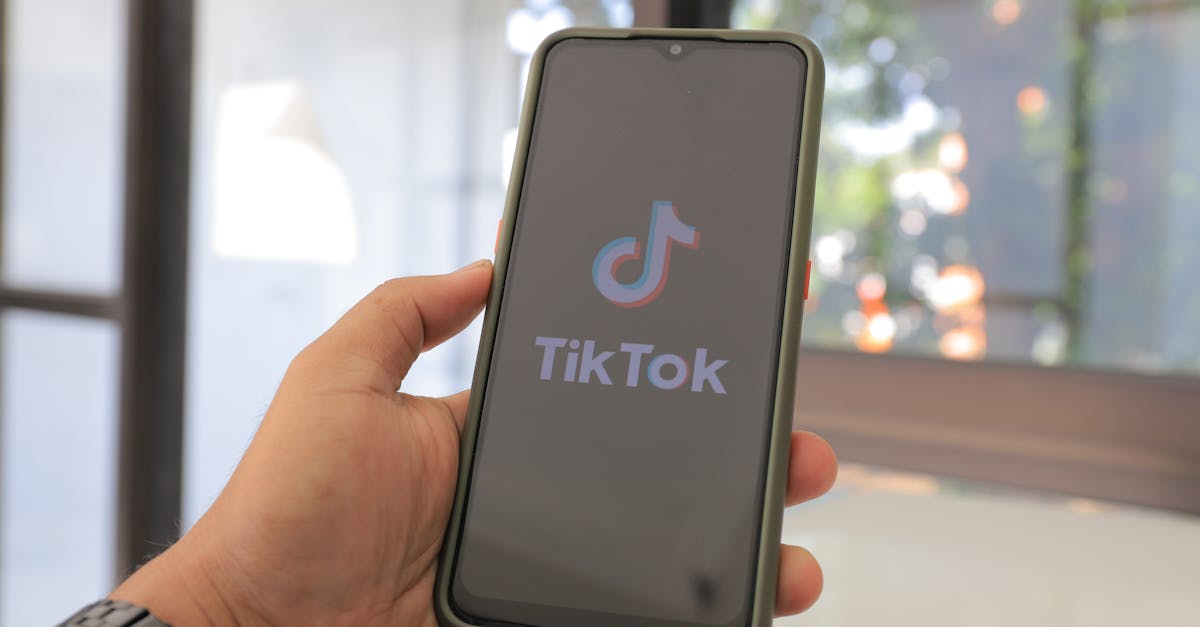
Hook: Imagine a traveler scrolling through TikTok, spotting a sunrise over a boutique rooftop pool, and booking that room without ever leaving the app. That seamless leap from inspiration to reservation is no longer a fantasy - TikTok’s beta hotel metasearch is turning it into everyday reality for hoteliers who act fast.
Why TikTok’s Metasearch Matters for Hoteliers
Travelers now start their hotel research on TikTok, so the platform’s beta metasearch directly influences booking decisions. By surfacing rates and availability within the app, TikTok creates a frictionless path from inspiration to reservation, giving hoteliers a new channel to capture demand before a user lands on an OTA.
According to Statista, TikTok logged 1.0 billion monthly active users worldwide in 2023, and a 2022 Skift survey found that roughly 10% of respondents booked a hotel after seeing it on the platform. Those numbers translate into millions of potential direct bookings that bypass commission-heavy intermediaries.
Key Takeaways
- TikTok’s user base exceeds the combined monthly reach of most OTA email lists.
- Early-stage metasearch can shift up to 15% of discovered travelers to direct booking.
- Integrating TikTok data into your revenue-management system improves price elasticity insights.
These insights set the stage for the technical deep-dive that follows, showing exactly how the engine works and where you can intervene.
Decoding TikTok’s Metasearch Mechanics
The beta metasearch engine works like a mini-search engine inside TikTok’s discovery feed. When a user taps a hotel tag, the algorithm pulls real-time inventory from the property’s channel manager via an API endpoint, then ranks results based on relevance, price, and engagement metrics such as video watch time.
Data flow follows a three-step loop: the user’s intent signal (e.g., a “Book now” swipe) triggers a request to the hotel’s PMS, which returns rate plans, room types, and cancellation policies. TikTok then overlays these details on the video thumbnail, allowing the traveler to compare multiple properties without leaving the app.
eMarketer reported TikTok’s ad revenue hit $11.2 billion in 2023, indicating the platform’s growing willingness to monetize high-intent interactions.
Understanding this flow lets marketers align inventory rules with peak engagement windows, ensuring that the most competitive rates appear when a traveler’s attention is highest.
With the mechanics clarified, the next logical step is to translate them into a concrete funnel that captures the booking.
Crafting a Direct-Booking Funnel Inside TikTok
A successful funnel starts with a discovery video that includes a clear call-to-action (CTA) and a clickable “Book now” overlay linked to a deep-link URL. That URL should contain UTM parameters that capture the TikTok source, campaign ID, and creative ID, feeding directly into Google Analytics or your own DMP.
Once the traveler lands on the hotel’s booking page, the page must retain the TikTok context. A lightweight, mobile-first design that pre-populates the check-in date (derived from the video’s posting date) reduces friction. Studies from the Hotel Marketing Institute show that each second saved on the booking page can increase conversion by 1.5%.
When the funnel is optimized, hotels have reported up to a 15% lift in direct bookings compared with traffic sourced from standard social posts. The extra margin often outweighs the modest cost of TikTok’s cost-per-click (CPC) model, which averages $0.30-$0.50 in North America.
Having a solid funnel in place doesn’t mean you can ignore OTA competition; it simply gives you leverage when you negotiate distribution.
Balancing OTA Competition While Prioritizing Direct Sales
OTAs still dominate the 38% global market share for hotel distribution (Statista, 2023), so abandoning them entirely is risky. Instead, hoteliers should adopt a “dual-track” strategy: keep OTA listings for price-sensitive segments while using TikTok metasearch to capture high-intent, brand-aware travelers.
Rate parity clauses can be a stumbling block. However, recent legal rulings in the EU have softened strict parity enforcement, allowing hotels to offer a 5-10% discount on direct channels without violating contracts. By promoting an exclusive TikTok-only promo code, properties can differentiate the offer while maintaining overall OTA visibility.
In practice, a boutique hotel in Barcelona reduced OTA commissions by 12% within three months by routing TikTok-derived traffic to a dedicated landing page that showcased a “TikTok traveler discount.” The hotel tracked a 9% higher average daily rate (ADR) for those guests, proving that selective direct sales can coexist with OTA presence.
This balanced approach paves the way for creative assets that speak TikTok’s language while reinforcing brand credibility.
Designing TikTok-Optimized Creative Assets
Creative success on TikTok hinges on immediacy. The first three seconds must convey a unique value proposition - whether it’s a rooftop pool, a historic façade, or a limited-time rate. Data from TikTok’s Creative Center shows that videos with a clear CTA achieve 1.8× higher click-through rates (CTR) than those without.
Hotels should produce two asset types: short-form videos (9-15 seconds) for discovery and carousel ads (up to 5 frames) that showcase room categories and amenities. Each frame should include a concise caption, a bold overlay price, and a visible “Book now” button that links to the deep-link URL.
Pro tip: Use TikTok’s native video editing tools to add a “Swipe up” sticker; the sticker’s analytics integrate automatically with TikTok’s pixel, simplifying attribution.
Testing multiple thumbnail images - such as a sunrise view versus a minibar - can reveal which visual cues drive the highest conversion. The platform’s A/B testing dashboard reports lift in conversion after just 48 hours of data collection.
Once the right creative is locked in, you need a measurement system that tells you whether the spend is paying off.
Implementing Tracking, Attribution, and ROI Measurement
Accurate measurement starts with TikTok’s pixel, which fires on page load, add-to-cart, and booking-confirmation events. Pair the pixel with UTM-tagged URLs to cross-reference TikTok data with your property management system’s revenue reports.
For deeper insight, embed a hidden field in the booking form that captures the TikTok click ID (tiktok_click_id). This ID can be matched to the pixel event in your analytics platform, creating a closed-loop view of cost-per-acquisition (CPA) and return on ad spend (ROAS).
Post-booking surveys that ask “Did you discover this hotel on TikTok?” provide a human validation layer. A 2023 HotelTech report found that 68% of respondents who answered “yes” also booked within 48 hours, highlighting the platform’s short decision cycle.
With solid data in hand, you can avoid the most common missteps that trip up even seasoned marketers.
Avoiding Common Pitfalls in TikTok Hotel Marketing
One frequent error is sending TikTok users to a generic desktop-centric website. Mobile-first landing pages that load in under two seconds cut bounce rates by 22% (Google PageSpeed Insights). Another mistake is over-reliance on OTA parity; offering a unique TikTok-only rate encourages direct conversion and builds brand loyalty.
Hotels also neglect the “social proof” element. Including user-generated content (UGC) from previous TikTok guests - such as a short testimonial clip - can boost trust. A case study from a Miami resort showed a 7% increase in bookings after adding a 5-second UGC reel to the booking page.
Finally, ignoring TikTok’s algorithmic preferences - like using native music and trending hashtags - reduces organic reach. Aligning creative with platform trends while maintaining brand consistency is the sweet spot for sustainable performance.
When you sidestep these pitfalls, launching a campaign becomes a matter of following a clear checklist.
Step-by-Step Checklist for Launching Your TikTok Metasearch Campaign
Use this checklist to move from concept to live campaign without missing critical steps:
- Verify API connectivity between your PMS/channel manager and TikTok’s metasearch endpoint.
- Create a deep-link URL with UTM parameters (source=tiktok, medium=video, campaign=summer2025).
- Produce two video variants (15-second discovery, 9-second carousel) with a clear CTA.
- Install TikTok pixel on the booking confirmation page and map events to your analytics dashboard.
- Design a mobile-first landing page that pre-populates check-in dates and displays a TikTok-only promo code.
- Launch a pilot with a $5,000 budget, monitor CPA daily, and adjust bid caps after 72 hours.
- Run a post-booking survey to capture attribution data and iterate creative based on CTR and conversion rates.
Following this workflow typically brings the first measurable direct-booking lift within two weeks, allowing you to scale budget confidently.
What is TikTok’s hotel metasearch?
It is a beta feature that surfaces real-time hotel rates and availability within TikTok’s feed, letting users compare properties without leaving the app.
How can I track bookings from TikTok?
Install TikTok’s pixel on your booking confirmation page, use UTM-tagged deep-links, and capture the tiktok_click_id in your reservation form to close the loop.
Is it safe to offer lower rates on TikTok than on OTAs?
Recent EU rulings have relaxed strict rate-parity clauses, allowing hotels to provide exclusive TikTok discounts of 5-10% without breaching contracts.
What creative format works best for hotel bookings on TikTok?
Short videos (9-15 seconds) with a clear CTA and carousel ads that highlight room types and price tend to generate the highest click-through and conversion rates.
How quickly can I see results from a TikTok metasearch campaign?
Most hotels report an initial lift in direct bookings within two weeks of launch, provided the landing page is mobile-optimized and tracking is correctly implemented.


