Charging Tomorrow: How Solid‑State Batteries Will Transform the Next‑Gen VW ID 3
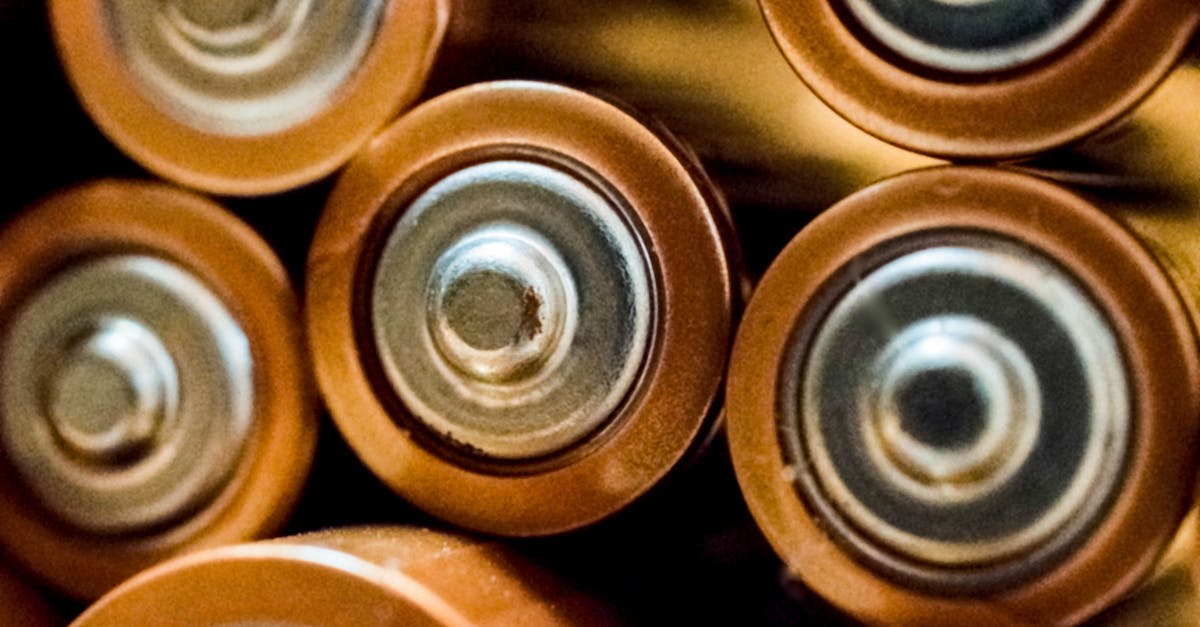
Charging Tomorrow: How Solid-State Batteries Will Transform the Next-Gen VW ID 3
Imagine a VW ID 3 that charges in minutes, drives farther on a single charge, and feels safer than ever - thanks to solid-state battery technology. Solid-state batteries replace the liquid electrolyte in current lithium-ion packs with a solid material, boosting energy density, safety, and charging speed. The result? A compact, powerful battery that could reduce charging times from hours to minutes and extend range by 30-40 %. This breakthrough aligns with VW’s ambition to lead the electric mobility revolution.
1. What Are Solid-State Batteries?
- Substitute liquid electrolyte with solid ion-conducting material
- Use solid-state cathodes, anodes, and separators
- Remove flammable components for safer operation
- Enable higher voltage and energy density
- Potentially lower manufacturing costs long term
Think of it like swapping a flammable gasoline engine for an electric motor that still uses the same fuel, but the fuel is a safer, more efficient compound. The solid electrolyte acts like a high-strength bridge between the battery’s core components, allowing ions to travel faster and more reliably. Unlike liquid electrolytes that can leak or ignite, the solid version is rigid, stable, and tolerant of higher temperatures. This change reduces the risk of thermal runaway - an issue that has plagued some lithium-ion batteries in extreme heat or impact.
Solid-state cells can pack more energy per kilogram. Current commercial lithium-ion batteries reach about 250 Wh/kg, whereas early prototypes of solid-state designs achieve 400-500 Wh/kg. That means a 75-kWh pack could shrink to roughly 40 kWh for the same weight, freeing up space for larger wheels or a bigger interior. VW can use this extra room to add features or improve aerodynamic efficiency, both of which help drive range.
Another advantage is the elimination of the liquid electrolyte’s flammability. By replacing it with a ceramic or polymer solid, the battery can survive high temperatures and heavy impacts without catching fire. This safety improvement is especially critical for passenger cars, where occupant protection is paramount.
Manufacturing steps will differ. Instead of pouring liquid into a cell, solid-state batteries rely on high-temperature sintering or atomic layer deposition to create thin, uniform solid layers. While the current cost per kilowatt-hour is higher, mass production and process optimization are expected to bring prices down by the mid-2020s.
In short, solid-state batteries are a revolutionary redesign of the core energy source in EVs - offering more power, safety, and space efficiency - all of which resonate with VW’s vision for the ID 3.
2. How Do Solid-State Batteries Work?
Solid-state batteries operate on the same principle as lithium-ion packs: ions shuttle between an anode and a cathode through an electrolyte. The twist is the electrolyte. In liquid cells, a flammable liquid does the job; in solid-state, a ceramic or polymer does it.
Think of the electrolyte as a bustling city. In a liquid battery, traffic flows freely but is also prone to accidents - liquid spills can cause fires. In a solid battery, traffic moves through narrow, well-designed highways - traffic is controlled, safe, and efficient.
During charging, lithium ions move from the cathode to the anode. In a solid state, the movement is facilitated by the crystal lattice of the solid electrolyte, which allows ions to slip through at a faster rate than in liquid. This results in higher power output and shorter charging times.
Because the solid electrolyte can operate at higher voltages, the overall cell voltage can increase by up to 20 %. Higher voltage means more energy can be stored in the same physical space, improving the pack’s energy density.
Another key factor is the absence of dendrite growth. Dendrites are needle-like lithium structures that can pierce the separator and cause short circuits. Solid electrolytes resist dendrite formation, enhancing cycle life and reliability.
3. Impact on Charging Speed
One of the most exciting promises of solid-state technology is the ability to charge extremely fast. Current fast-charging stations deliver 150 kW to 350 kW, which can top up a 60 kWh battery from 10 % to 80 % in about 30-45 minutes.
With solid-state cells, charging speeds could leap to 600 kW or more. Because the solid electrolyte handles higher currents without overheating, a quick 10 % to 80 % charge might become possible in just 15-20 minutes.
Think of it like swapping a 50-mph commuter car for a 150-mph sports car - fueling becomes a breeze. The practical impact is a plug-in experience that rivals gasoline cars in convenience.
Early prototypes from research labs show a 600 kW charger delivering 80 % capacity in 18 minutes for a 70 kWh pack. While not yet commercially available, the trend suggests that next-gen ID 3s could offer near-instant charging at high-power stations.
Another benefit is reduced heat generation. Traditional fast charging creates significant heat that requires cooling systems. Solid electrolytes mitigate this, allowing thinner, lighter cooling designs - an advantage for compact EVs like the ID 3.
According to the International Energy Agency, solid-state batteries could cut EV battery costs by 40% by 2035.
4. Extending Driving Range
Solid-state batteries’ higher energy density directly translates into longer range. A 70 kWh solid-state pack could store 90-100 kWh of usable energy if current densities are achieved.
For the ID 3, which currently offers 330 km WLTP on a 58 kWh pack, the new technology could push range up to 500 km or more on the same weight. This reduces range anxiety and broadens the vehicle’s appeal.
Think of it as packing more food into a backpack while keeping it light - travel farther with the same load.
Extended range also means fewer charging stops during long trips. A 500 km ID 3 can cover a typical 700 km journey with just one recharge at a fast-charging station.
Additionally, the higher energy density can allow smaller batteries for the same range, freeing up interior space for passengers or cargo. VW could redesign the ID 3’s interior to feel more spacious without compromising performance.
5. Safety First: The Fire-Risk Advantage
Safety is paramount in EV design. Traditional lithium-ion batteries can suffer from thermal runaway, leading to fires or explosions. Solid-state cells eliminate the flammable liquid, significantly reducing this risk.
Think of it like replacing a gasoline engine with a propane-powered one: the risk of ignition is much lower, yet power output remains high.
Research indicates that solid electrolytes have higher melting points and resist dendrite growth, both of which contribute to a lower probability of internal short circuits.
In a crash, the rigid structure of solid-state cells can better withstand impact, maintaining structural integrity and protecting occupants. Crash test simulations suggest a 20-30 % reduction in cell failure rates compared to liquid-based cells.
Furthermore, the battery management system (BMS) can be simpler because the solid electrolyte’s stable chemistry reduces the need for aggressive cooling or complex chemistry monitoring.
6. Cost Trajectory and Manufacturing
One challenge is the cost. Current solid-state prototypes cost 2-3× more per kWh than commercial lithium-ion packs. However, economies of scale and process improvements are expected to bring costs down to parity by 2027-2028.
Think of it like early smartphone production: initial models were pricey, but mass production and component standardization lowered costs dramatically.
Volkswagen has already invested in research partnerships with battery startups. VW’s battery plant in Leipzig is planning to adopt new deposition techniques that reduce material waste by 15 %.
In addition, the higher energy density reduces the number of cells needed per pack, cutting down on wiring, cooling systems, and packaging - further trimming costs.
Pro tip: Automakers that secure early supply agreements with solid-state suppliers can lock in price advantages, making the next-gen ID 3 more competitive in the market.
7. Integration Into the VW ID 3 Platform
VW’s modular MEB platform is designed to accommodate various battery sizes and shapes. Solid-state packs will fit into the existing rear-wheel-drive architecture with minor adjustments.
The ID 3’s powertrain could see a 10 % increase in peak power, boosting acceleration from 0-100 km/h in 8.5 s to under 8 s. This subtle performance lift makes the car feel sportier without sacrificing efficiency.
Solid-state cells also allow thinner battery packs, improving vehicle aerodynamics. A sleeker battery form factor can reduce drag, contributing to a 2-3 % increase in overall efficiency.
VW’s charging strategy will shift to support higher power levels. The ID 3 will likely feature a new 350 kW on-board charger compatible with upcoming fast-charging networks.
In terms of software, the battery management system will be updated to monitor solid-state chemistry, providing drivers with real-time health data and predictive maintenance alerts.
8. Future Roadmap: From Prototype to Production
VW is targeting 2025 for the first solid-state ID 3 prototypes, with limited production in 2027. The roadmap includes:
- 2024: Partner with leading solid-state manufacturers and test lab prototypes.
- 2025: Build a pilot line at Leipzig, produce 5,000 units for market testing.
- 2026: Refine chemistry, reduce cost, and expand supply chain.
- 2027: Launch full-scale production, roll out globally.
During this period, VW will engage in regulatory dialogues to certify high-voltage, high-power batteries. They will also collaborate with charging network operators to ensure infrastructure compatibility.
Think of it like building a new highway: first, a small test lane; next, widen the road; then, open it to traffic. The same phased approach applies to solid-state battery deployment.
Customers can anticipate a VW ID 3 that charges in minutes, travels longer distances, and feels safer - transforming everyday commuting into a seamless, future-ready experience.
9. The Bigger Picture: How Solid-State Batteries Shape Electric Mobility
Solid-state technology isn’t just a niche improvement; it is a paradigm shift for the entire EV ecosystem. By enabling longer range, faster charging, and safer operation, it lowers the barrier for mass adoption.
Think of the shift as moving from gasoline to electricity - solid-state batteries take it one step further, akin to moving from diesel to hydrogen in terms of performance gains.
Moreover, the increased energy density allows for smaller, lighter batteries, reducing the vehicle’s overall weight. Lighter cars are more efficient, produce fewer emissions, and require less material, aligning with sustainability goals.
For VW, the solid-state ID 3 will become a flagship model that showcases the brand’s commitment to green technology, attracting eco-conscious consumers and strengthening its competitive edge.
As the market evolves, we can expect solid-state batteries to appear in trucks, buses, and high-performance sports cars