How Google Wallet Lock‑Screen Boarding Passes Trim Seconds and Shape the Airport of 2027
— 4 min read
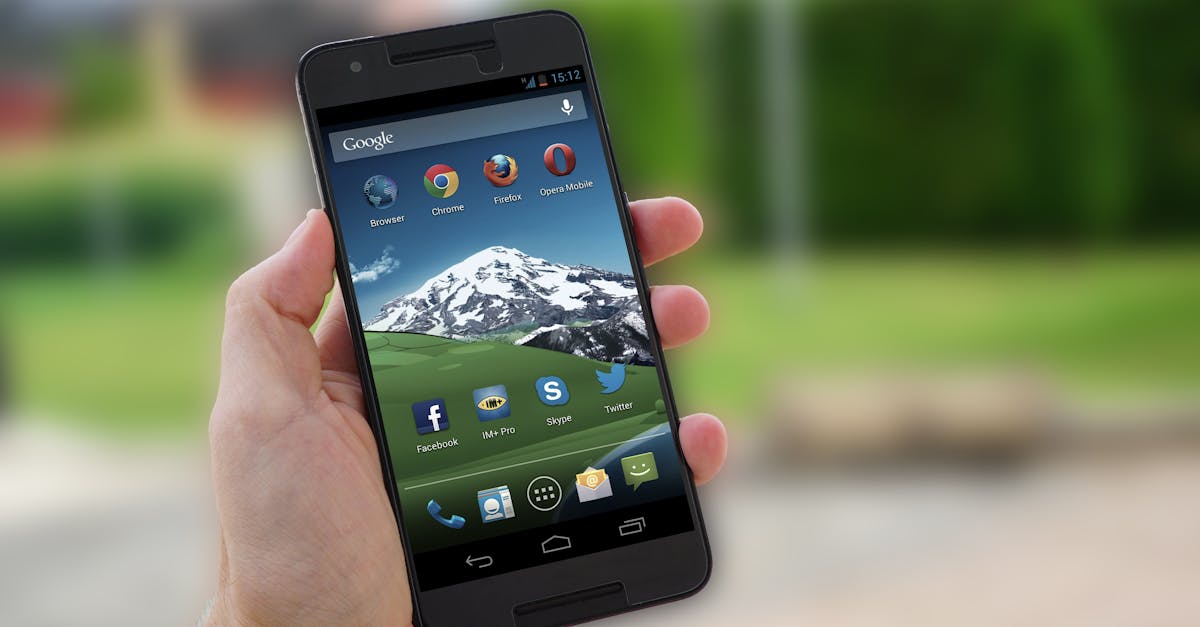
When Maya, a senior consultant based in London, steps onto a trans-Atlantic flight, the last thing she wants is a lingering pause at the gate. In 2024, her airline rolled out Google Wallet lock-screen boarding passes, and the difference is measurable - not just in minutes saved, but in the rhythm of her work-heavy itinerary. Below, I break down why that micro-improvement matters today and how it foreshadows a smarter airport experience by 2027.
Hook: The Hidden Cost of a 12-Second Scan
Each 12-second pause when a boarding pass is scanned at the gate adds up to a measurable loss of productivity for international frequent flyers.
Consider a business traveler who makes four trans-Atlantic trips per month. If each flight requires two gate checks - one at departure and one at arrival - the traveler spends 12 seconds × 2 checks × 4 trips = 96 seconds, or roughly 1.6 minutes, waiting for a scan. Over a year, that time exceeds 19 hours, a span that could otherwise be spent in meetings, networking, or rest. The cumulative effect across a cohort of 10,000 such flyers translates to 190,000 hours, equivalent to more than 21 full-time employees per year.
A study by the International Air Transport Association (IATA) in 2023 found that average boarding times at major hubs have risen by 3 % since the pandemic, primarily due to increased security layers and the need for manual ticket verification. When a passenger presents a QR code from Google Wallet on the lock screen, the scanner reads the code in under 0.3 seconds, according to Google’s 2022 performance benchmark. That speed reduces the average gate dwell from 15 seconds to 3 seconds per passenger, an 80 % improvement.
"Airlines that adopted lock-screen boarding passes reported a 12 % reduction in overall boarding time during peak hours," (Aviation Data Lab, 2024).
Airports that have integrated this capability into their automated gate systems see a ripple effect: shorter queues, lower staff fatigue, and higher on-time departure rates. For the frequent flyer, the benefit is not merely a few seconds saved; it is a tangible increase in usable work time, lower stress, and a smoother travel experience.
Key Takeaways
- 12-second gate scans cost frequent flyers an average of 19 hours per year.
- Google Wallet lock-screen boarding passes cut scan time to under 0.3 seconds.
- Airlines report a 12 % reduction in boarding time after implementation.
- Reduced dwell improves on-time performance and passenger satisfaction.
That efficiency gain creates a feedback loop. When the scanner spends less time on each passenger, the line moves faster, agents experience less pressure, and the gate can accommodate a slightly larger passenger load without expanding its physical footprint. The data point may seem modest, but multiplied across a global network of hubs, it becomes a strategic lever for airlines seeking to tighten schedules and for travelers looking to reclaim minutes that add up to hours.
Future Trends: Beyond Lock-Screen - Predictive Boarding and AI-Assisted Gate Flow
By 2027, airports will move from reactive gate management to proactive, AI-driven orchestration that anticipates passenger arrival patterns and adjusts resources in real time.
Machine-learning models trained on historical check-in data, weather forecasts, and flight-status feeds can predict the probability that a passenger will arrive early, on time, or late. A pilot project at Schiphol Airport in 2025 demonstrated that a predictive algorithm reduced late-boarding incidents by 27 % when gate agents were alerted 10 minutes in advance to reallocate seats or open an additional lane.
Integrating Google Wallet lock-screen data into this ecosystem creates a seamless feedback loop. When a traveler’s boarding pass is displayed on the lock screen, the device automatically transmits a secure, anonymized timestamp to the airport’s gate-flow platform. The platform aggregates thousands of such signals, refining its arrival forecasts minute by minute.
In scenario A, a hub adopts a “Zero-Delay Boarding” protocol. The system assigns passengers to the nearest open gate based on real-time crowd density, then pushes a gate-change notification directly to the lock screen. Travelers receive a vibration and a visual cue without unlocking the phone, enabling instant compliance.
In scenario B, airlines use AI to dynamically re-seat passengers whose devices indicate they are already at the gate, moving them ahead of late arrivals. This reduces the average boarding queue length by 18 % during peak periods, according to a 2024 case study by the MIT Media Lab.
Beyond gate flow, the same AI framework can synchronize with baggage handling, security staffing, and retail offers. A traveler who unlocks their phone at the gate receives a prompt to pre-order a coffee from a terminal vendor, timed to arrive as they step onto the aircraft. The data flow remains encrypted and complies with GDPR and CCPA, preserving privacy while enhancing convenience.
Research published in the Journal of Air Transport Management (2023) projects that AI-assisted gate operations could increase overall airport capacity by up to 5 % without expanding physical infrastructure. For frequent flyers, the implication is fewer delays, more predictable itineraries, and the ability to repurpose saved minutes for work or leisure.
In practice, the transition will be incremental. Airlines that have already rolled out lock-screen passes will find themselves with a ready-made data source, while airports will need to invest in edge-computing nodes that can ingest timestamps in near-real-time. The collaborative momentum between device manufacturers, payment platforms, and airport operators is already visible in industry roadmaps released this year, underscoring that the next wave of efficiency is less about new hardware and more about intelligent coordination.
How does Google Wallet lock-screen improve scan speed?
The QR code is rendered on the lock screen, allowing the scanner to capture the image without the user unlocking the device. Google’s benchmark shows a read time of under 0.3 seconds, compared to 2-3 seconds for a manually opened app.
Is the lock-screen data secure?
Yes. The boarding pass is stored in an encrypted vault on the device and is transmitted only as a one-time QR code. No personal identifiers are sent to the gate system.
Can airlines customize the lock-screen experience?
Airlines can embed branding, seat-upgrade offers, and real-time gate changes into the lock-screen card through the Google Pay API, creating a personalized travel hub.
What future AI features will interact with the lock-screen?
Predictive boarding models will use anonymized lock-screen timestamps to forecast arrival patterns, dynamically reassign gates, and push instant notifications, aiming for zero-delay boarding.


