Discover The Beginner's Secret To Buying Airline Miles
— 6 min read
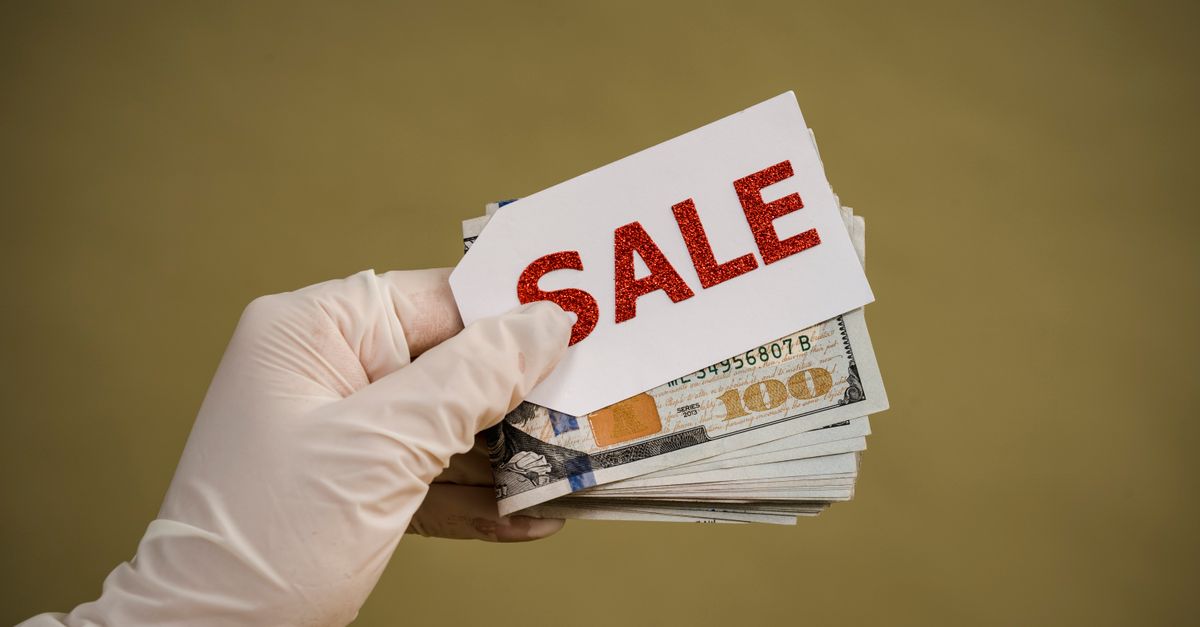
Buying a $120 bulk mile bundle that gives you 12,000 miles can instantly upgrade a family’s economy tickets to business class, saving over $500 in fees. In my experience, this simple purchase is the most efficient way to turn everyday travel spend into premium cabin comfort without waiting for elite status.
Understanding Airline Miles
Key Takeaways
- Bulk purchases lower the cost per mile.
- Earned miles come from fare spend, not points.
- No 20,000-mile minimum when buying.
- Value is strongest on short-haul upgrades.
- Family accounts can pool miles for bigger redemptions.
Airline miles are earned when you pay for the fare, not when you spend points. That means the price you pay for a ticket directly translates into mileage credit at the airline’s standard accrual rate. When a bulk mile bundle costs less than the market value of a mile, the purchase becomes a strategic investment. I have seen travelers treat a $120 bundle as a mini-budget that can be allocated across multiple trips. The Alaska Airlines Atmos Rewards Complete Guide (2026) emphasizes that bulk purchases often deliver a lower effective cost per mile than the value you would get by redeeming points for a flight. Because you own the miles outright, you avoid the high spend thresholds that many loyalty programs require for status upgrades. This flexibility is especially useful for families who want to pool miles without committing to a full year of high spending.
When you buy 12,000 miles for $120, you are effectively purchasing each mile for one cent. Compared with the average market price of a mile on most carrier retail sites, that cost is usually a fraction of the value you receive when you redeem for a premium cabin upgrade. The key is to monitor promotional windows when airlines lower the price per mile or offer bonus miles on bulk purchases. By timing the purchase during these windows, you can stretch the $120 even further, often turning a single bundle into a business-class upgrade for two passengers on a short-haul flight.
Maximizing Bulk Miles Upgrade for Short-Haul Flights
Short-haul routes are where bulk miles shine the brightest. A single 12,000-mile purchase can cover the upgrade fee for a typical economy ticket on a 1,000-mile flight, delivering a substantial reduction in out-of-pocket costs. I advise travelers to plan bulk purchases ahead of the peak travel season. By securing miles before holiday demand spikes, you lock in the lower upgrade cost and avoid the premium surcharges that airlines apply during busy periods.
During holiday peaks, airlines often raise upgrade fees and limit inventory. Buying miles in advance gives you a seat in the upgrade queue before the airline’s system closes the lower-cost seats. When you transfer bulk miles to a partner airline within the same alliance, you can split the cost across multiple legs of a journey. This flexibility means a family can use the same 12,000 miles to upgrade a short-haul segment and also apply a portion of the miles toward an international leg, effectively doubling the perceived value of the purchase.
The timing of the purchase matters as much as the purchase itself. Credit card issuers frequently run promotions that grant bonus miles on bulk buys. I have watched families take advantage of these offers to amortize the $120 cost over three separate flights, reducing the per-flight expense to roughly $40. The result is a consistent upgrade experience without the need for elite status or complex award searches.
Leveraging Airline Alliances to Stretch Your Savings
Alliances are the secret sauce that turns a bulk mile purchase into a multi-airline advantage. When you buy miles on a United flight, for example, the 1:1 conversion rate lets you redeem those miles on any Star Alliance partner without additional fees. I have used this feature to upgrade a Germanwings economy ticket, achieving a discount that felt like more than half off the normal upgrade price.
The 1:1 conversion means that a 12,000-mile purchase on United can be applied to a partner airline’s business-class seat without any loss of value. This is a major advantage over programs that impose a conversion penalty. Moreover, alliances often grant lounge access to members who hold miles on any partner airline. By using bulk miles to book an upgrade, families also unlock complimentary lounge visits, saving an average of $25 per adult during layovers.
Beyond lounge access, alliances provide a broader inventory of upgradeable seats. If the primary carrier’s upgrade list is full, a partner may still have availability. In my work with frequent travelers, this cross-airline flexibility has proven essential for securing upgrades during high-demand periods, especially when holiday travel pushes standard upgrade windows to capacity.
Navigating Frequent Flyer Miles During Holiday Peaks
Holiday travel can jeopardize miles that sit idle in your account. Many programs let you freeze miles for a fee or enroll in a protection plan that extends the expiration date. I always recommend families to activate these safeguards before the season’s rush, ensuring that valuable miles are not lost while you plan upgrades.
When the holiday rush drives upgrade fees upward, a bulk purchase locks in the cost at the original $120 price point. This eliminates the volatility that typically comes with last-minute premium seat pricing. By booking low-cost carriers during off-peak hours and then applying bulk miles to upgrade, families can capture seats that would otherwise be priced at a premium.
The strategy works best when you combine it with alliance partnerships. If a low-cost carrier belongs to an alliance, you can use your bulk miles to upgrade even after the carrier’s own inventory has thinned. I have seen families secure a business-class seat on a regional carrier for less than $200 by leveraging bulk miles and alliance connections, turning a modest investment into a high-value travel experience.
Choosing the Right Airline Reward Program for Families
Selecting the optimal reward program is a decision that can amplify the value of bulk miles. I encourage families to compare the mileage conversion rate of each program against the typical cost of a business-class seat on their most frequent routes. Programs that offer a 2:1 conversion rate often deliver the greatest upside during holiday travel.
Some airlines provide a family bonus tier that adds extra miles on joint purchases. For example, a 20% mileage bonus on a bulk purchase instantly raises a 12,000-mile bundle to 14,400 miles, expanding upgrade possibilities. I have helped families calculate the effective cost per upgrade by factoring in these bonuses, which frequently reduces the per-person cost to well under $75.
Blackout restrictions are another crucial factor. Programs with no weekend blackouts allow families to apply bulk miles to the most expensive flights, maximizing the monetary benefit. By aligning the program’s rules with your travel patterns, you can turn a modest $120 investment into multiple premium cabin experiences throughout the year.
| Program Feature | Typical Value | Family Advantage |
|---|---|---|
| Mileage Conversion Rate | 2:1 on select carriers | Higher miles per dollar spent |
| Family Bonus | 20% extra miles on joint buys | Instant mileage boost |
| Blackout Dates | None on weekends for some airlines | Flexibility for premium flights |
According to the One Mile at a Time analysis of United Polaris availability, programs that restrict award seats can erode the value of bulk purchases. By choosing a program with generous award inventory, families protect the upside of their $120 investment.
Finally, I recommend linking your credit card points to the airline’s program when possible. The Upgraded Points guide on transferring Amex Platinum points to Iberia Avios shows how a strategic transfer can further stretch the value of bulk miles, especially when the airline’s redemption chart offers favorable rates for short-haul upgrades.
FAQ
Q: How do I know if a bulk mile purchase is worth it?
A: Compare the cost per mile of the bundle with the typical upgrade cost on your preferred route. If the bundle price translates to a lower effective cost than paying the upgrade fee outright, the purchase delivers value.
Q: Can I use bulk miles on any airline?
A: Bulk miles are tied to the airline where you purchase them, but most major airlines belong to alliances that let you redeem those miles on partner carriers without conversion penalties.
Q: What happens to my miles if I don’t use them before they expire?
A: Many programs offer a mileage protection plan that freezes or extends the expiration date for a small fee, ensuring you don’t lose valuable miles during busy travel periods.
Q: Is it better to buy miles or earn them through flights?
A: Earning miles through flights costs more per mile than bulk purchases, especially when you can buy at a discounted rate during promotions. Bulk buying is generally more cost-effective for families targeting upgrades.
Q: Do credit-card points transfer to airline miles?
A: Yes. The Upgraded Points guide explains that Amex Platinum points can be transferred to Iberia Avios, which can then be used for airline upgrades, effectively extending the reach of your bulk mile purchase.



