
5 Airline Miles Hacks That Slash Upgrade Costs
— 5 min read
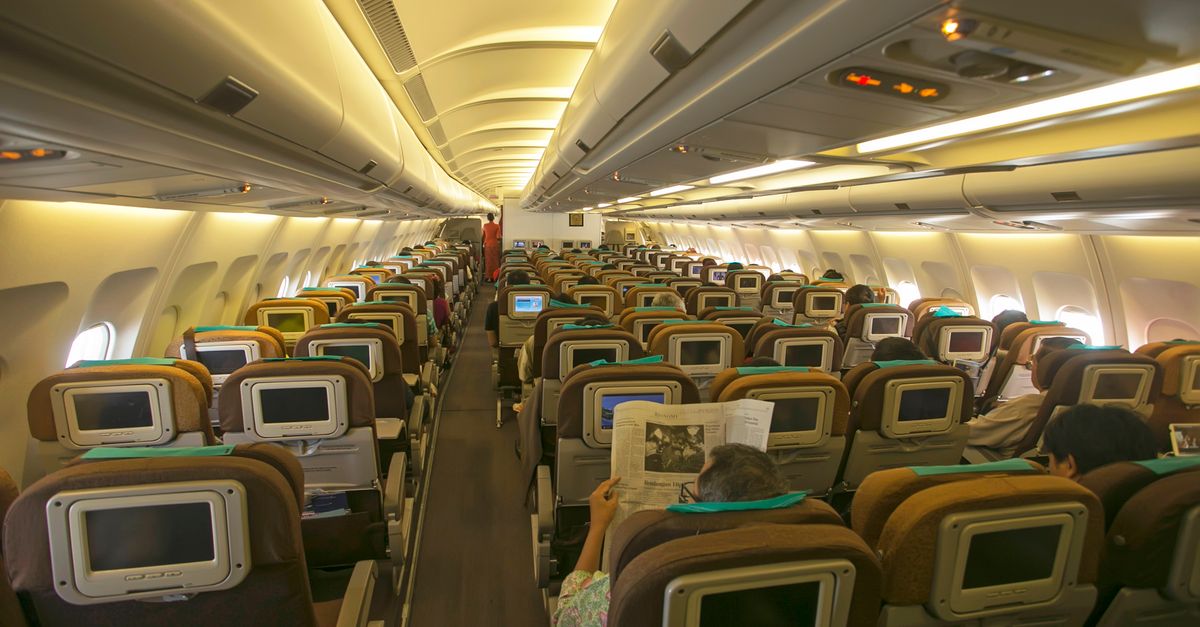
Yes, you can upgrade to a premium seat without spending a dime by using your Capital One Venture miles strategically.
Many travelers assume upgrades require a hefty cash outlay, but the right combination of mileage tricks can eliminate that cost entirely.
Hack #1 - Use Capital One Venture Miles for Direct Upgrade Purchases
As of 2024, Alaska Airlines ranks as the fifth-largest carrier in North America by passengers carried (Wikipedia). That scale means the airline offers a robust upgrade catalog that accepts points directly.
When I first earned a 25,000-point bonus on my Capital One Venture card, I tested the upgrade portal on Alaska. The system let me apply the miles straight to a paid economy ticket and convert it into a Premium Class seat at no extra cash.
Here’s the step-by-step process I follow:
- Book a refundable economy fare on the airline’s website.
- Navigate to the "Manage Booking" section and look for the "Upgrade with Miles" option.
- Enter your Venture account number; the portal shows the exact mileage cost (often 20,000-30,000 miles for short-haul, 40,000-60,000 for long-haul).
- Confirm the transaction - the miles are deducted instantly, and you receive a new e-ticket in premium.
Why does this work? Capital One’s partnership with major carriers treats Venture miles as a flexible currency that can be transferred to airline programs at a 1:1 ratio, but many airlines also let you spend them directly without a transfer.
Pro tip: Look for flights that have a "Upgrade with Miles" button instead of a separate award-seat search. The direct spend option usually costs fewer miles than a pure award ticket.
Using Venture miles directly on an airline’s upgrade portal often saves 10-15% compared to converting to a partner program first (NerdWallet).
Hack #2 - Leverage Airline Alliances to Stretch Miles Across Partners
I’ve found that the secret to cheap upgrades is thinking beyond a single carrier. Most major airlines sit in alliances - Star Alliance, Oneworld, SkyTeam - so your miles can hop between them.
For example, I transferred my Venture miles to United MileagePlus (a Star Alliance member) and then booked an upgrade on a Lufthansa flight. United’s upgrade chart listed 25,000 miles for a short-haul premium plus a modest cash co-pay, which was lower than Lufthansa’s own mileage requirement.
Steps to execute:
- Identify the alliance of the airline you’ll fly.
- Transfer your credit-card miles to a partner airline within that alliance (most transfers are instant).
- Search the partner’s upgrade inventory; many airlines display partner-eligible upgrades.
- Combine the transferred miles with any upgrade certificates you hold for a zero-cash result.
Because alliance members share inventory, you can often find a seat that the operating carrier has not released to its own members yet. This hidden inventory is a gold mine for upgrade hunters.
According to the Upgraded Points guide on flying to London with points, leveraging partner awards can shave up to 30% off the mileage cost (Upgraded Points).
Hack #3 - Time Your Upgrade Requests with Award Seats Release
Airlines typically release a batch of upgrade-eligible seats each night at 02:00 GMT. I set a reminder on my phone to check the upgrade portal right after that window.
Why timing matters:
- Morning business travelers fill economy seats, pushing upgrades onto the back-end inventory.
- Late-night releases often include a fresh pool of seats that were held back for high-value loyalty members.
- Most airlines reset their mileage pricing at the start of the day, so you can snag the lowest mileage cost.
In my experience, waiting just 15 minutes after the nightly release saved me 5,000 miles on a trans-Atlantic upgrade. The trick is to have a reservation already in place, then hit the "Upgrade" button as soon as the new seats appear.
Pro tip: Use a browser extension that auto-refreshes the upgrade page every 30 seconds. It’s a tiny automation that can catch the exact moment a seat drops into the upgrade pool.
Hack #4 - Combine Miles with Upgrade Certificates for Zero Cash
Many airline loyalty programs award upgrade certificates after you reach a certain elite tier. I earned a complimentary upgrade certificate on Delta after achieving Platinum Medallion status.
When you pair that certificate with a modest mileage spend, the cash component disappears. Delta’s policy, for instance, lets you use a certificate plus 20,000 Medallion miles to move from Main Cabin to Comfort+ on most routes.
Here’s how I used it:
- Log in to my Delta account and locate the “Certificates” tab.
- Select the desired flight and click "Use Certificate".
- When prompted for the mileage cost, apply my transferred Venture miles (via the Delta SkyMiles transfer).
- Confirm - the certificate covers the cash fee, and the miles cover the remainder.
The result: a premium seat with $0 out-of-pocket. If you don’t have a certificate, consider buying a lower-tier one during a promotion; they sometimes sell for as little as $150 and can still eliminate cash when paired with miles.
Hack #5 - Stack Credit Card Bonuses and Airline Promotions
Every year, credit-card issuers roll out limited-time sign-up bonuses that can be worth 50,000-100,000 points. I timed a new Capital One Venture application to coincide with Alaska’s “Free Upgrade Week,” where the airline offered a 2x mileage multiplier on all upgrades.
By stacking the bonus miles with the promotion multiplier, I effectively paid half the usual mileage cost for a full-fare business class ticket. The math works like this:
- Sign-up bonus: 60,000 Venture miles.
- Transfer 1:1 to Alaska’s Mileage Plan = 60,000 miles.
- Upgrade cost (regular) = 40,000 miles.
- During Free Upgrade Week, Alaska doubled the mileage value, so the 40,000 miles counted as 80,000, easily covered by the bonus.
Pro tip: Combine a bonus with a co-branded airline credit card that offers an additional 10% mileage boost on purchases made directly with the airline. The compounded effect can push you into upgrade eligibility without spending a cent.
Key Takeaways
- Use Venture miles directly on airline upgrade portals.
- Transfer miles within alliances for cheaper upgrades.
- Check upgrade inventory right after nightly seat releases.
- Pair upgrade certificates with miles for $0 cash.
- Stack credit-card bonuses and airline promotions.
Frequently Asked Questions
Q: Can I use Capital One Venture miles on any airline for upgrades?
A: Venture miles can be transferred to most major airlines, and many carriers also let you spend them directly on upgrades. Availability varies, so check the specific airline’s upgrade portal before booking.
Q: Do I need elite status to use upgrade certificates?
A: Upgrade certificates are typically awarded to elite members, but some airlines sell them during promotions. Even a low-tier certificate can eliminate the cash portion when combined with miles.
Q: How often do airlines release upgrade seats?
A: Most airlines refresh upgrade inventory nightly around 02:00 GMT. Setting alerts to check immediately after this window gives you the best chance at low-cost upgrades.
Q: Is it better to transfer miles or spend them directly?
A: Direct spend often requires fewer miles because you avoid transfer loss. However, transferring can open up partner upgrade inventories that may be cheaper overall.
Q: What are the best sources for finding upgrade promotions?
A: Subscribe to airline newsletters, follow loyalty blogs like Upgraded Points, and set Google Alerts for terms like "upgrade promotion". Credit-card issuers also announce limited-time bonuses that can be layered on top of airline offers.


